


Si Brown
CONTENT WARNING: THIS STORY CONTAINS DESCRIPTIONS OF VIOLENCE AND IMAGES OF SEVERE INJURY
Simon ‘Si’ Brown was serving as a corporal with the Royal Electrical and Mechanical Engineers (REME) on his second tour of Iraq, when he was called to rescue a stranded vehicle with a crew of six on board. He was in command of a repair and recovery team, called to assist quickly whenever vehicles broke down. There had been yet another insurgent attack.
During the extraction, as his own vehicle tried to pull away, Si was shot in the face by a sniper.
The bullet entered his left cheek and exited his right. He suffered horrendous injuries, including shattered cheekbones, a broken jaw in four places and a collapsed palate, which he held open with his tongue and thumb all the way back to base at Basra Palace. It was only this that made breathing possible. Had he been knocked unconscious, the outcome would have been even worse.
Placed into an induced coma, Si was airlifted back to the UK for life-saving treatment at Selly Oak Hospital in Birmingham.
I remember being hit. I remember trying to help the others get me out. I remember hearing voices in the coma. But the rest is a complete blackout.”
Army veteran
A new reality
Si grew up in Morley, West Yorkshire, and joined the Army in 1997, aged just 18. During his decade of service, he completed operational tours of both Kosovo and Iraq. The sights and experiences of Kosovo were mentally tough. But it was Iraq, during the height of his military career, when everything was to change.
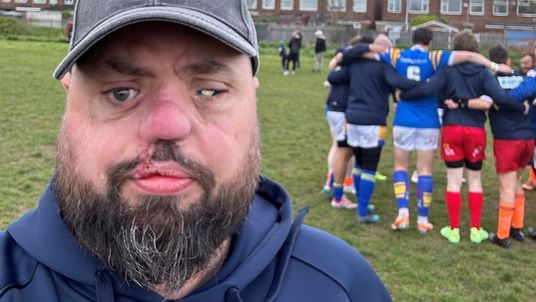
Waking up in hospital on Christmas Eve 2006, Si learned that the damage to his face was worse than he could have imagined. Ultimately, his left eye was destroyed, only 20-25 per cent vision remained in the other, and he lost his nasal cartilage.
“When I woke up, I was just trying to piece together the missing bits of what had happened. What had gone on between that quite extreme moment, and laying in a hospital bed. It took a day or two for the drugs to leave my system, and that's when the full understanding of what had happened sank in.”
Coming to terms with a life-changing injury was difficult. Si admits that it was easy to focus on the negative and worst case scenarios.
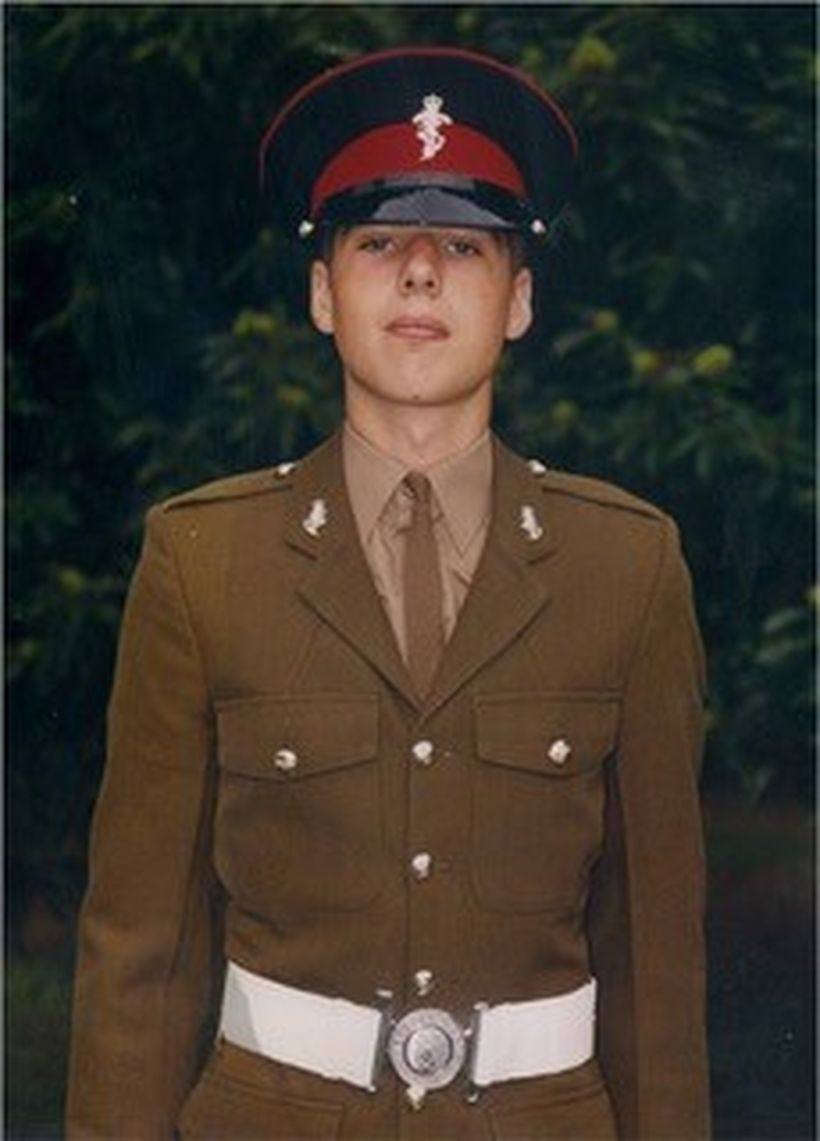
“You try to believe that the doctors might be wrong - the diagnosis could be incorrect and you’ll be alright,” he says. “Eventually, you go into this acceptance of, well, this is a new reality so I need to start making the best of it. But that took time.
“At first, I thought the left eye might be ok. But I had to understand it could cause disease and illness, and affect the other eye further. So, I got rid of that. Accepting that was kind of a step forward. My sight was improving slightly all the time at first, because I started with absolutely nothing. Then it stopped getting any better and I was told, that's it, that's what you've got. And you think - that's not a right lot."
Over time, you learn how to use the vision you have, and you accept it's better than nothing. But that moment of realising that's it: it’s a rough moment.”
Veteran
First contact with the charity - and a place of respite
Soon, it was 2007 – the year that Help for Heroes came into being. Following this, Si was amongst the first wounded, sick and injured to receive the Charity’s support.
“My family were put up in a flat near the hospital. Initially, the Charity wanted somewhere for families to go where they could just be families. But it was a godsend. It meant when I was able to get out of hospital, I could go there and chill out in a non-clinical environment, away from the ward with its beeping and clanging and coming and going. Not great when you’ve come from an environment where you’re hyper alert. There are lots of people reacting differently to their treatment. It can be quite triggering. Prior to that, my family had been staying in a B&B so they could be near me."
We were one of the first families to be supported by the Charity in that way and we were so grateful.”
Veteran
Si has undergone more than 20 operations over the course of more than a decade, some of which were carried out by lead surgeons Alex Crick and Rod Dunn under the War Injuries Clinic at Salisbury Hospital. Here, he had complex nasal reconstruction which enabled him to breathe and sleep better, and reduced some of his disfigurement.
“Alex and I were put together at a conversation about my surgical issues and she advised me to travel down and have a consultation with her. Help for Heroes facilitated the introduction and if it hadn’t been for their network, I would never have met Ms Crick.”
Veterans like Si with significant injuries often need ongoing physical health support and advice.
Over the years, Help for Heroes has evolved and developed its services to suit the needs of our veterans. For example, our team of experienced occupational therapists support veterans to ensure their homes are optimised to suit their needs, and to learn strategies to cope with challenges that daily life throws their way.
Photo: courtesy of Simon Brown
From Olympic torch bearer to Mayor of Morley and more
Since his injury and long recovery, Si has gone on to achieve many great things.
Returning home to Morley, he found work with a NEET (Not in Education, Employment or Training) programme supporting the youth offending team before taking a role with Blind Veterans UK, who also supported Si’s recovery and whom he still works for today. A regular motivational speaker and Help for Heroes ambassador, Si captained the Leeds Rhinos Physical Disability Rugby League (PDRL) team to double national victory and now coaches young people in the PDRL, after hanging up his own boots.
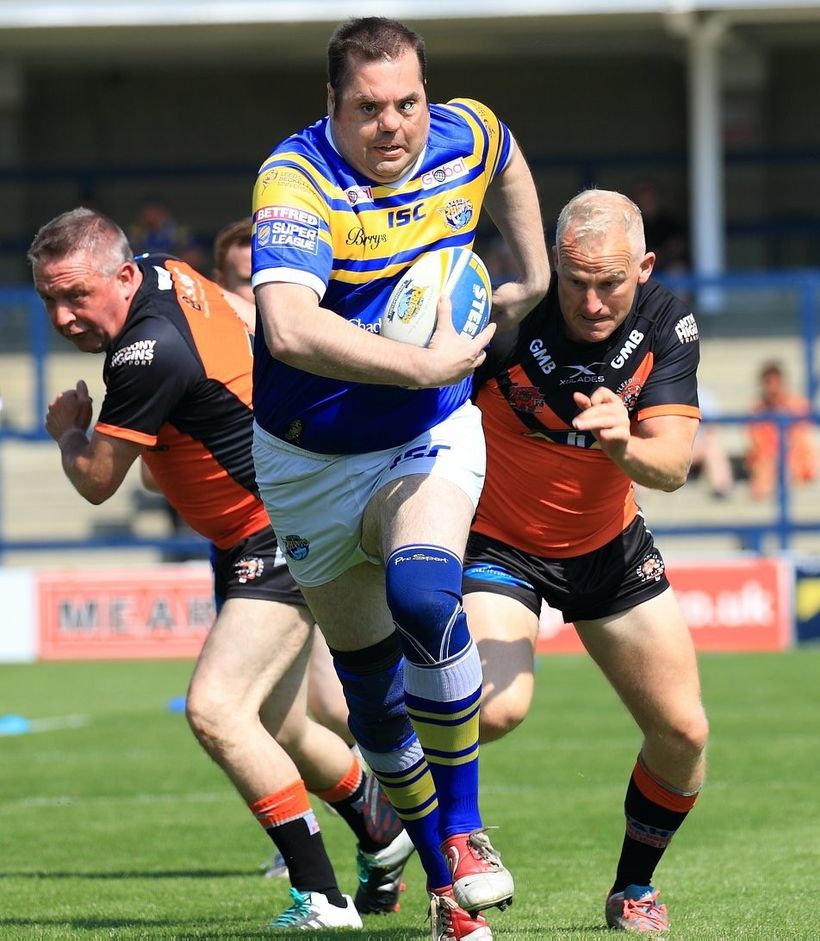
He has trekked the Sahara Desert and Costa Rican jungle, and carried the Olympic torch in 2012. He has been a Royal British Legion branch chairman, supported BLESMA, and acted as a patron of the Defence Medical Welfare Service, committing significant time to the GP/veteran healthcare programme.
Now a Leeds City Councillor, Si was elected mayor of his hometown, Morley, in 2024-25.
I’m not someone who does half a job,” he says. “Rehabilitation is quite a lonely and selfish journey. You do what you need to do to make yourself better, and I’ve been fortunate to be given so many opportunities along the way. I’ve just got a microphone and a laptop these days instead of a rifle.”
Army veteran, independent Leeds City councillor and former Mayor of Morley
In a good place
Despite being seriously ill in 2026 after contracting MRSA, Si has bounced back yet again – and is pretty content with life. Nearly 20 years on from his first interaction with the charity, he is still a loyal Help for Heroes ambassador to this day, most recently supporting our 'People's Promise to Veterans' campaign and delivering an open letter about better post-service support to 10 Downing Street ahead of Remembrance 2026, which Si has also written about.
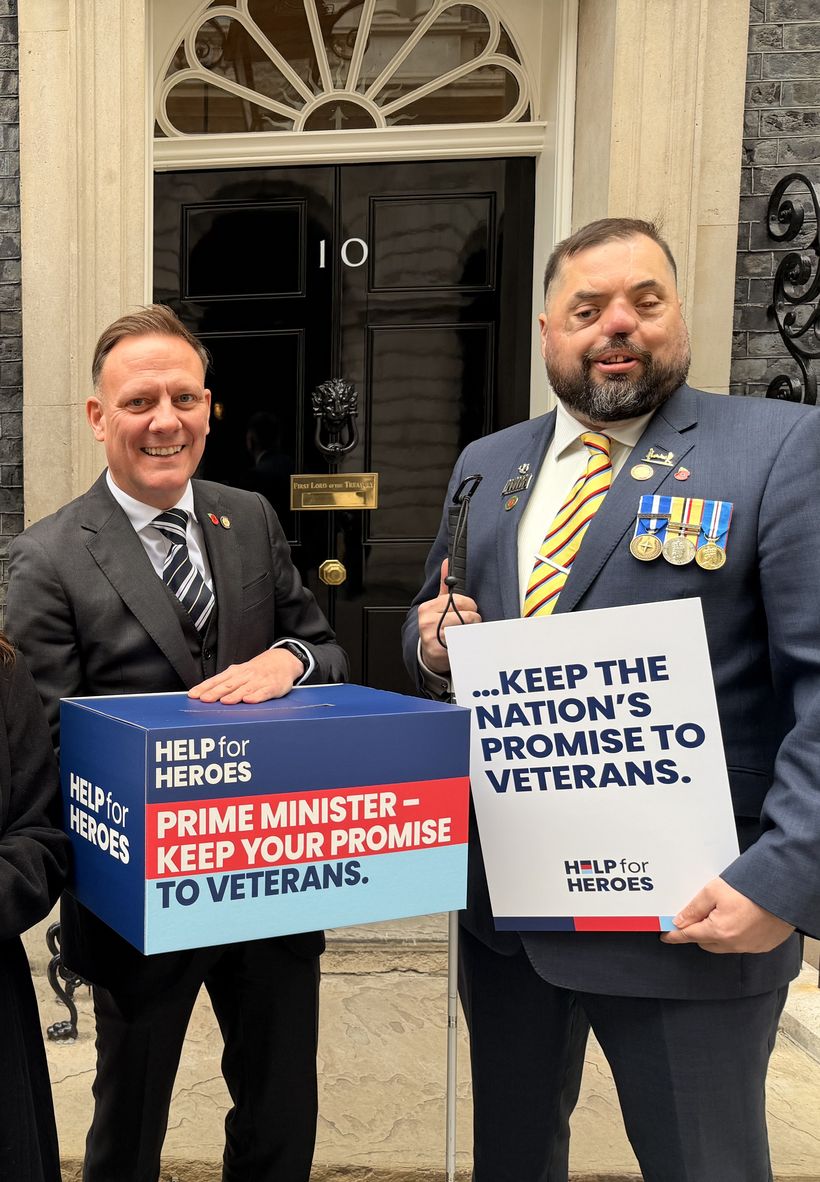
“I’ve been asked before whether I’d go back in time to Iraq and do anything different – whether I’d duck!" he says. "But I look at what I’ve done since, and the people who’ve supported me, and I just think, you know what? I'm very, very content with the place I’m in now. I wouldn't be this person had I not been through all that.
“Iraq was just part of the journey for me. With any adversity, you come out of it with two options: you move forward, or you sit and you just fall apart. I've done my best to move forward. My good day bar moved down and my bad day bar moved up. My whole life now is about living the moment as much as possible. I can speak with more authority on that than most. Tomorrow's never a guarantee, so I’ll live my best life today.”
Make a single donation today

By making a donation today, you'll help us be there for veterans and their families - because no one should face recovery alone.
Updated on