


Megan's Story
Trigger warning - suicide
This page contains references to suicide. This is a sensitive topic that will affect people in different ways, so we understand if you would prefer, for any reason, not to engage in this subject.
From Queen’s funeral piper to rebuilding life after trauma
Pride and trauma sit side by side in Megan’s Army story.
The highs were magnificent; the lows were so painful, physically and mentally, Megan planned to take her own life.
She credits Help for Heroes with saving her life through mental health support, practical nursing advice and the camaraderie she found with wheelchair basketball.
Before injury and trauma changed everything, Megan built a 13-year long Army career full of remarkable moments.
Her proudest was playing the bagpipes at the late Queen’s funeral.
A talented musician, she was called upon for many high-profile ceremonial duties. She was the second woman ever to perform the lone piper role at the Royal Edinburgh Military Tattoo.

Her most important task in uniform came when she worked from London communicating with Afghan nationals desperately trying to flee their home country as the Taliban took control in August 2021.
“We were helping get visas made for people who had helped us while we had been in Afghanistan,” she said. “These were people who had been translators for us and had helped the British effort to keep the Afghan population safe. I don’t think I’ve heard despair in someone’s voice like I did in those phone calls.”
But while Megan was helping others through some of the most desperate moments of their lives, her own health was beginning to unravel.
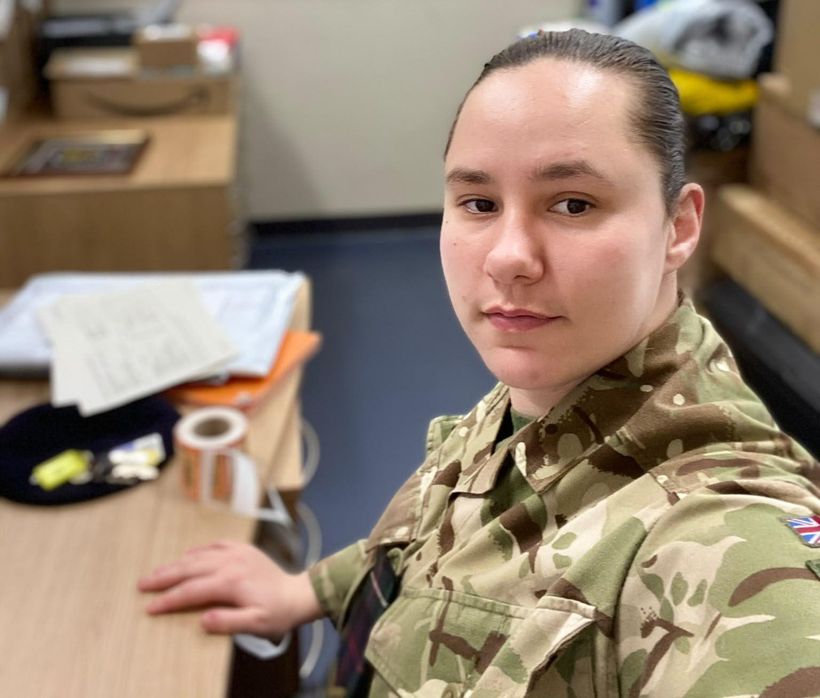
An accident during an Army skiing trip left her with a dislocated knee, torn ligaments, and a fractured femur. What initially appeared to be a serious but recoverable injury became the start of years of chronic pain, repeated dislocations and life-changing disability.
The Memories that Still Hurt
Behind the public performances and duties were experiences that have left lasting scars.
During her service, Megan was in a wellbeing committee that supported soldiers struggling with their mental health. She spent nights on colleagues’ floors to make sure they were safe from their suicidal thoughts.
She also endured traumatic events of her own, including a sexual assault, an ectopic pregnancy and bereavements that came close together. “At that point I just decided I didn’t want to be around anymore,” she said. “I didn’t see any value in my own body, my own person.”
She began self-harming and had detailed plans to take her own life. It was the beginning of a mental health struggle that would be compounded by physical injury and chronic illness.
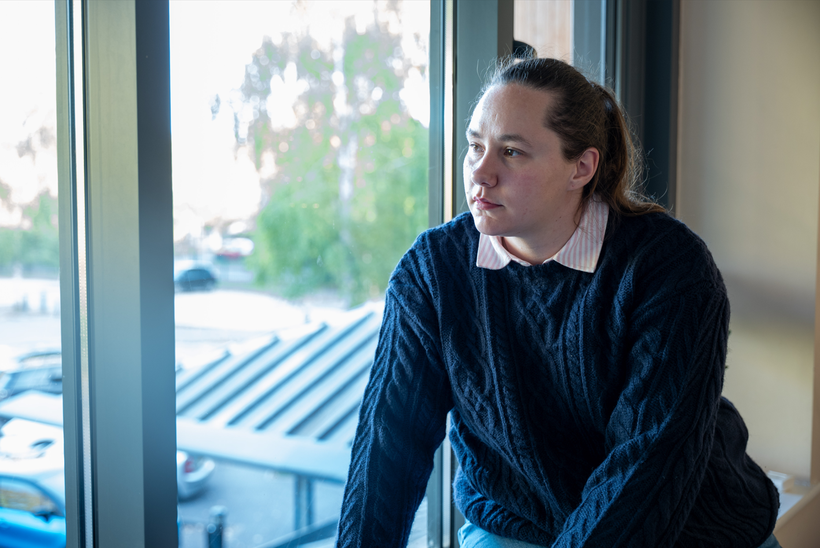
Living with Relentless Pain
What doctors initially believed was a serious knee injury proved far more complicated.
The injury and associated pain led to complex regional pain syndrome which in turn causes swelling, nerve pain, blood-flow problems and foot drop.
Megan was later diagnosed with Ehlers-Danlos syndrome, a connective tissue disorder, after repeated knee and shoulder dislocations.
She also lives with a blood clotting disorder, heart conduction issues and degenerative disc disease.
Her health had become so medically complex so quickly that she felt like a burden to those supporting her. She was frightened by the risks and overwhelmed by having to manage it all.
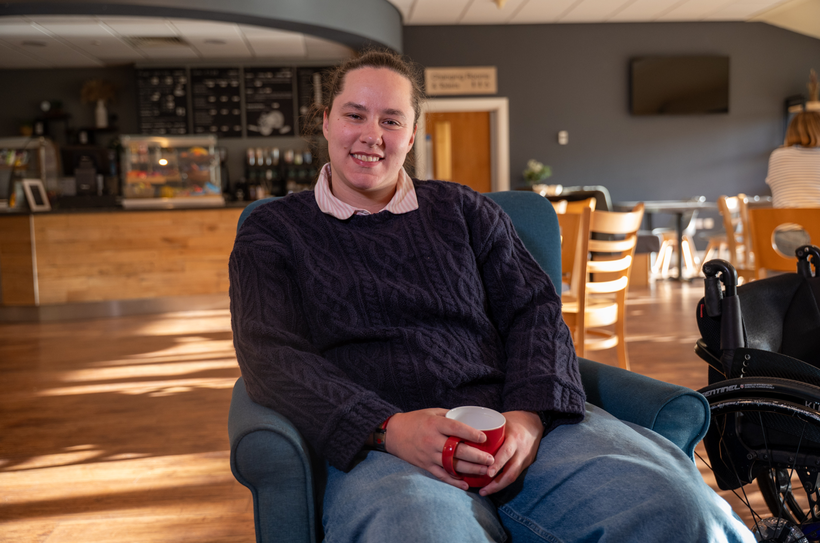
Today, Megan uses a wheelchair and has practically lost the use of her leg from mid-thigh down because of complex regional pain syndrome.
"The pain can feel like my leg is in boiling water," she said. She is considering amputation.
Trouble Transitioning
Leaving the Army was another grief.
Megan was not medically discharged but was told she no longer met the Army's medical requirements and had to leave. After years of service, she lost not only her career but the structure, identity and community that had shaped her adult life.
Megan remembers handing in her ID card and realising she would not be coming back. She cried as she drove away from camp. Suddenly she was navigating civilian life while managing complex health problems and increasing disability.
Help for Heroes would become an important part of rebuilding that support network. Through the Charity, Megan found people who understood military life and the realities of living with injury, disability, mental health struggles and chronic pain.
The conversation that changed everything
We entered Megan's life through wheelchair basketball. After joining the Bath Romans team, she attended one of our Sports camps and quickly found herself surrounded by people who understood the frustrations of injury, disability and life after service.
The sport gave her a way to stay active after being told she would never run or jump again. Just as importantly, it connected her to a community that refused to let her struggle alone.
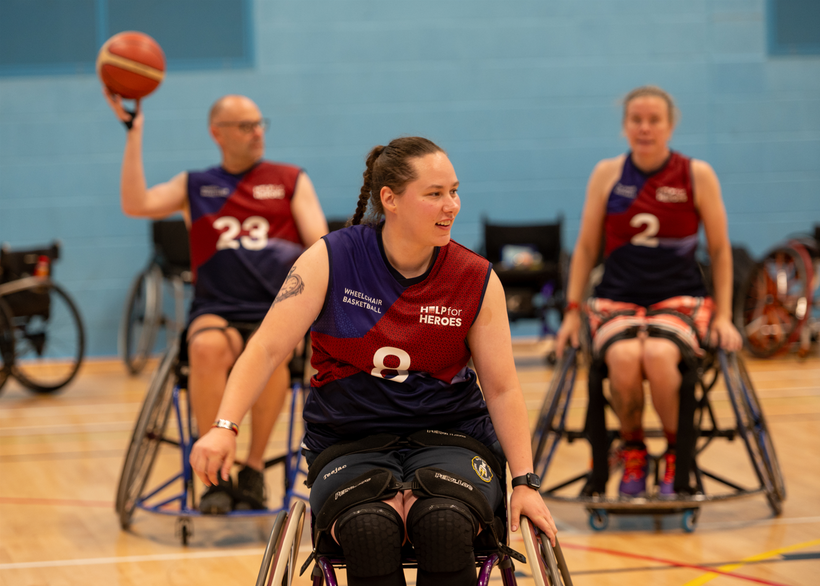
An intervention from Jodie, in the Charity’s Community Development team, became crucial. At a camp, Megan made an off-the-cuff remark that she had nearly "ended it all" a few weeks earlier. Rather than letting it pass, Jodie asked what she meant.
Megan said that she had become overwhelmed by fear, pain and the feeling that she was a burden. Preparing her weekly medication one night, she thought about taking everything. It took immense energy to leave the medication untouched and leave the room. At about 3am, she sat outside in her wheelchair under a blanket and sobbed.
Jodie referred Megan to our Hidden Wounds mental health service. Through the Charity, Megan began cognitive behavioural therapy and learned to process medical anxiety and grief for both the military career and non-disabled life she had lost.
“Without that intervention, I probably would have mentally spiralled again, and probably wouldn’t be here,” Megan said.
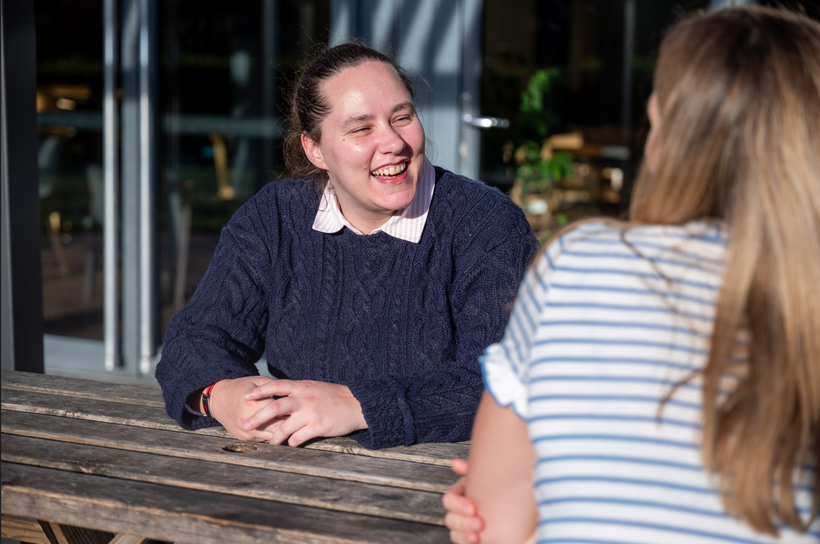
One of the charity's nurses, who is also an Army veteran, helped Megan understand her growing list of diagnoses. Advice around her worsening foot and mobility problems led to further scans, specialist appointments and braces that improved her mobility.
Winter, Megan says, can be brutal: cold worsens the pain, ice and snow make wheelchair use unsafe, and isolation can quickly follow. Extra pain can mean extra medication, affecting concentration.
But overall, mentally, Megan says she is now in a better place. She is more willing to use the support available and to speak honestly when struggling. “It doesn’t feel like there’s this barrier to go and talk to somebody anymore,” she said.
Purpose in every connection
Today, Megan is building a new life around care, study and purpose. She works in a dementia-friendly care home, a role that means a great deal to her. “I just love my job,” she said. “To see a smile on a resident’s face because of the impact that I’ve made, or the light come on behind their eyes because I’ve said a specific word that’s opened a memory for them is magical.”
Megan is studying psychology with child development at the University of Winchester and hopes to become a clinical psychologist supporting children.
“When I first joined the Army, I said that when I left, I wanted to work with kids that came out of abusive homes,” she said. Her Army experience, her work in care and everything she has survived now sit behind that ambition.
Still fighting, but no longer alone
Megan’s story is not one of simple recovery. Physically, she is still fighting pain, mobility problems and uncertainty. Mentally, though, she says she has more peace, greater understanding of what she is experiencing and more confidence in asking for help.
“My challenges physically haven’t got any easier,” she said. “If anything, they’ve got harder, but I’m much more at peace with reaching out to use the resources that are there.”
From the pipes at Windsor to the phone calls to Afghanistan, from nights of despair to the care-home residents whose memories she helps unlock, Megan’s life has been shaped by service in many forms. The charity has helped her carry the weight of the past and build a future with purpose.
Updated on