

Craig Jones' story
Updated on
For Lieutenant Commander Craig Jones MBE, joining the Royal Navy was never just a career choice. It became a lifetime of service that would see him help change the lives of LGBT+ people across the Armed Forces.
But the journey came at a cost.
Decades of operational service, living under the Armed Forces' gay ban and campaigning on behalf of LGBT+ veterans eventually left Craig struggling with burnout, post-traumatic stress disorder and poor physical health.
Support from Help for Heroes helped him understand and address the impact of those experiences.
"It made a transformational difference," Craig says. "Had it not been for Help for Heroes, I wouldn't have been able to continue that work."
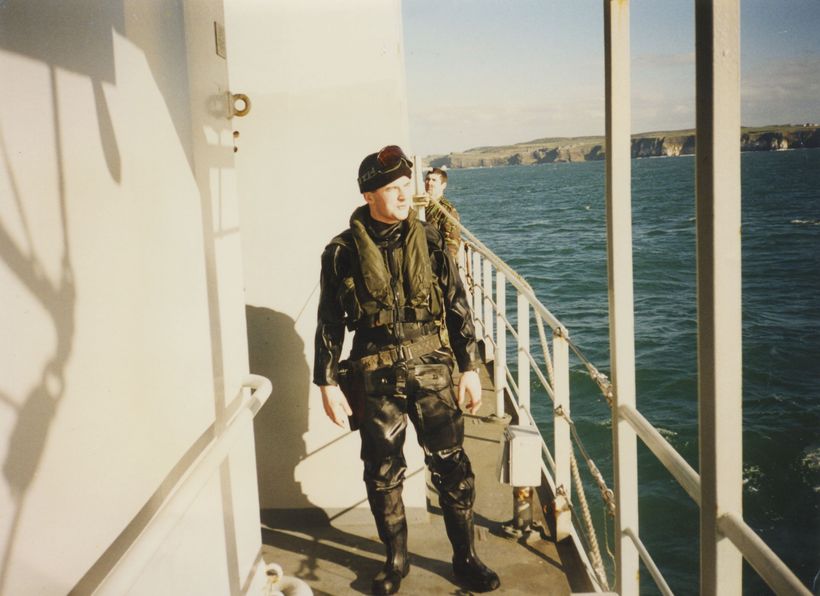
Growing up in the Yorkshire town of Bingley, far from the sea, Craig was inspired by an uncle who had served after the Second World War. His parents encouraged his ambition to join the Navy.
At Portsmouth Polytechnic in 1986, he studied economics and joined the University Royal Naval Unit. After an initial rejection, he earned a place at Britannia Royal Naval College Dartmouth.
A life kept hidden
Weeks before joining Dartmouth, Craig realised he was gay, which was then illegal in the Armed Forces and grounds for investigation, prosecution and dismissal. Many served prison sentences.
"I remember walking up the hill to Dartmouth conscious that a part of me needed to stay on the other side of the gate," he says.
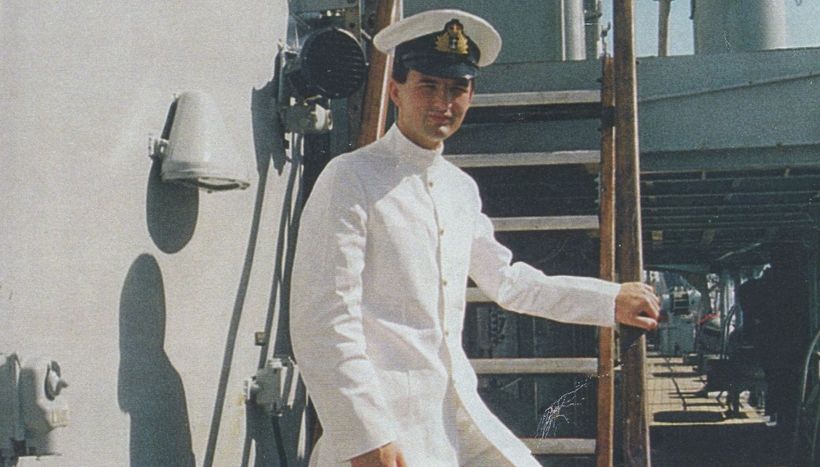
Craig built a successful career, conducting armed boardings during the Troubles, clearing vessels after the First Gulf War and navigating complex operations.
The longer I was in the Navy, the more questions were asked about what I did at weekends, who I was with and why there wasn't a girlfriend."
Veteran
He watched colleagues disappear. One young sailor was removed from his ship after being discovered to be gay; days later, it was as if he had never existed.
"Nobody ever spoke of him again," Craig recalls. "That was the end of his association with the people around him, who had been his family."
The message was unmistakable: stay hidden or lose everything.
A moment that changed everything
In 1994, while boarding a fishing vessel off Northern Ireland, Craig found two young men together below deck.
"These were two young lads in each other's arms, and they looked just like me. It was a profound moment," he says. "I suddenly realised there was an important gap in my life, and that was somebody to share it with."
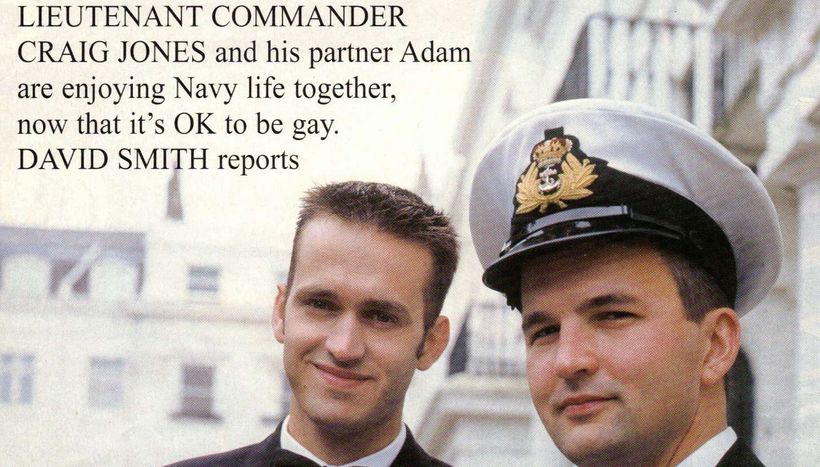
Months later, in a gay bar in Exeter, he met his future husband, Adam. More than three decades later, they are still together.
It was like my life went from monochrome to technicolour."
Veteran
Joy brought new fear. Craig said: "That our love for each other would bring my world crashing down.
"The sentence for that was around three to six months in a civilian prison because I was a commissioned officer. It wasn't administratively inconvenient. It was illegal."
He was trusted to lead armed operations and protect lives, yet considered unfit to serve because of who he loved.
"What could be less relevant to my job than the person I go home to?"
Challenging the ban
By the late 1990s, Craig was speaking up for the LGBT+ community within the Armed Forces.
During a discussion aboard HMS Invincible about excluding gay people from service, Craig challenged senior officers.
"Gay men and women have served in our Armed Forces for at least 500 years," he told them. "They are the people we have served with in war and peace and they've probably done quite well, and always will."
Rear Admiral Captain Roy Clare CBE DL, then Commanding Officer of HMS Invincible, backed him, a glimpse of the future.
"There were allies out there," he says. "The problem was finding them."
What could be less relevant to my job than the person I go home to?"
Veteran
A new era begins
That future arrived in January 2000, when the ban was lifted. Craig came out to his shipmates the next day.
Reactions were mixed, but a Royal Marine officer known as ‘Chewy’ greeted him with a hug and: ‘Well done, mate.’
"It thawed," Craig says. "At first it was like we were melting an iceberg, but in time we found our place in the mess as part of the family.
"Our partners share our journeys in the Forces and make our service possible. I will forever be grateful to my husband Adam, for his courage finding his place as the first amongst equals and to the wives of the Royal Navy and Royal Marines for their incredible kindness when we stepped over the gangway and out of the shadows."
Beyond legal equality
Lifting the ban could not undo decades of damage. Veterans who had been dismissed, humiliated or criminalised remained excluded from the military community. Without their military pensions, many faced poverty.
Craig built LGBT+ support networks, challenged outdated policies and helped secure permission for serving members of the Armed Forces to march in uniform at Pride.
When the Admiral Sir Jonathan Band GCB DL, then First Sea Lord, insisted the Royal Navy march in full ceremonial uniform, swords drawn and drums beating, Craig knew something profound had changed.
"The journey was complete," he says. "The traditions of the Armed Forces had been restored and we were finally proud of all of our people.
"I left the Navy in 2008. Job done!"
Turning experience into action
Craig then embarked on a successful civilian career, including as Barclays’ Global Head of Diversity. During this time he began writing about the military’s gay ban.
Conversations with hundreds of veterans showed the story was not his alone.
In January 2020, he published his anthology of the ban called Fighting With Pride and co-founded the charity of the same name, to restore dignity, recognition and belonging to LGBT+ veterans.
"We launched with the aim of restorative justice for those that the Armed Forces and veteran community had left behind," he says.
The charity helped drive the debate leading to Lord Etherton’s independent review and reconnect veterans with the military family they had been denied.
One former sailor, once embittered by his treatment, attended his restoration ceremony proudly wearing a Royal Navy tie, blue blazer and branch badge.
"What an incredible journey," Craig says.
The personal cost of campaigning
Years of campaigning eventually caught up with Craig.
As the changes he had helped bring about were put into practice, he faced intense pressure. He suffered seizures brought on by exhaustion.
Help for Heroes supported his recovery.
"The charity made a transformational difference to my life," he says.
Specialist support from the Charity’s mental health therapy service called Hidden Wounds helped him rebuild his health, develop healthier coping strategies and balance caring for others with caring for himself.
The charity made a transformational difference to my life."
Veteran
Helping veterans reclaim their place
Today, Craig supports the LGBT+ veteran community through the Financial Recognition Scheme for those affected by the ban.
With applications closing on Saturday 12 December 2026, he is urging veterans to come forward.
"Please don't spend the decades ahead with regrets," he says. "The lost must be found. The scheme is not just for those dismissed and discharged, it's for all of those who served in the Armed Forces during the years of the ban, who felt its impact and cruelty, including those who served quietly and left without incident."
From hiding part of himself at Dartmouth to helping thousands reclaim their place in military history, Craig has proved that courage comes in many forms.
Not every battle is fought at sea.
Some are fought simply to be allowed to serve, to belong and to come home.