




Community Sports Series
Our community Sports Series allows veterans to come together for a bit of friendly competition and allows them to try new sports.
Updated on
A former RAF nurse who was medically discharged after developing long COVID has
spoken out about the “brutal and confusing” way she was treated, saying it left her
feeling “useless and unwanted”.
Beth, who served for 13 years and rose to the rank of sergeant, built a proud career
caring for ill and injured personnel. She worked in hospitals and GP-style practices,
served in the Falklands and Ascension Island, and was once runner-up RAF
Sportswoman of the Year, competing in elite triathlons.
If I’d left normally, I probably would’ve dined out at the Sergeants’ Mess. Instead, I just dropped off my laptop. No goodbyes. No closure. It felt like I was pushed out the back door."
Former RAF nurse
But Beth didn't get to leave 'normally'.
“I had a great career and I’m proud of all I achieved,” she said. “It was more than a job. I worked with some amazing people and did some really good things.”
Everything changed after she caught COVID-19 on a frontline ward in early 2020. At first, she wasn’t worried. “I thought it was good to get it early,” she said. “I didn’t think it would be serious.”
Instead, the illness became long-term and debilitating. Despite a stint in rehab at Stanford Hall, Beth never fully recovered. The fatigue was relentless. Her concentration vanished. Driving became unsafe.
“At first, I trained an hour a week from home. But then trying to go back to work just wasn’t safe. I remember struggling to drive after a short shift, realising it wasn’t working. I couldn’t even follow a Teams call. But I was trying so hard to hang on to my career."
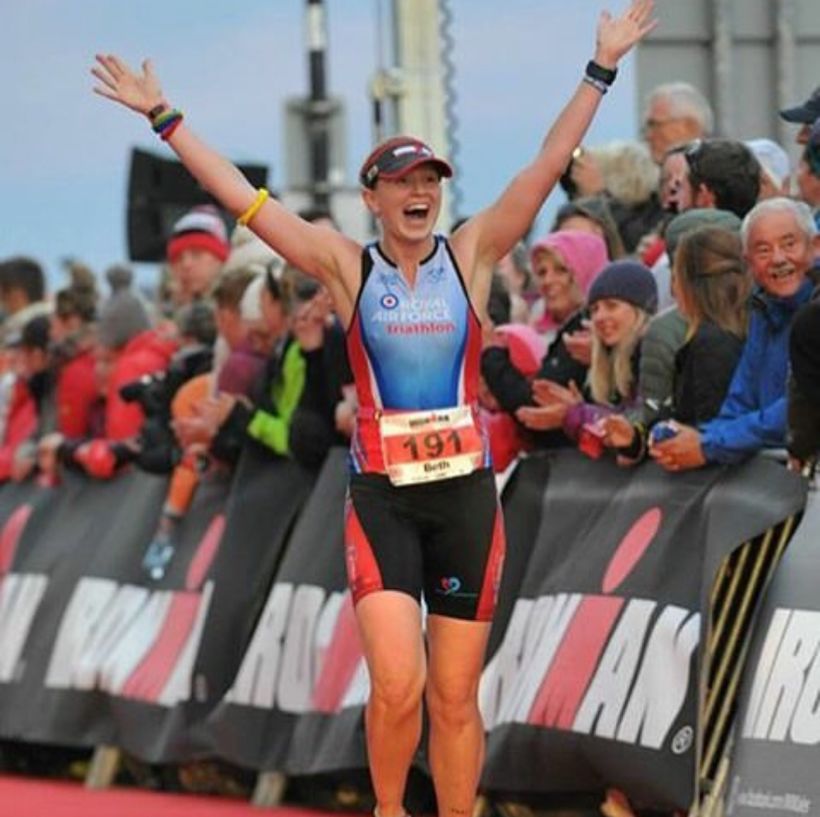
Eventually, Beth was sent to a medical board. A damning report from her boss left her feeling written off. Though granted a short extension, by late 2022 it was clear she couldn’t return to full-time duties, and the RAF medically discharged her under Tier 1 – a classification for those deemed unfit for military service but supposedly able to work in civilian life. Beth said that label didn’t reflect reality.
“I couldn’t even work two hours a day without getting worse,” she said. “Driving was hard. Concentrating was nearly impossible. Yet they decided I could just walk into an NHS role. It was nonsense."
You have to fight so hard for proper support."
Former RAF nurse
Tier 1 discharge also meant no medical pension – just a one-off lump sum. It took nearly two years, with her husband’s help and support from the Veterans' Advisory and Pensions Committees (VAPC), to get it upgraded to Tier 2, which recognises that long COVID can be long-term or permanent.
“They said they couldn’t give me Tier 2 because they didn’t know if long COVID was permanent. But they were discharging me medically. It made no sense,” she said. “You have to fight so hard for proper support. Most people won’t even realise they can challenge it."
Beth felt unsupported during the discharge process. Her line manager, based in a different county, never met with her face-to-face. That absence of personal contact added to her sense of isolation. “That made a huge difference. It shouldn’t be a postcode lottery based on who your line manager is.”
Leaving under those circumstances was more than a career shift – it was a painful loss of identity.
“If I’d left normally, I probably would’ve dined out at the Sergeants’ Mess. Instead, I just dropped off my laptop. No goodbyes. No closure. It felt like I was pushed out the back door.”
She received a certificate and a pin badge, but no real recognition for 13 years of service. “The doctor at the med board said, ‘Thank you for your service,’ and that meant something. But from my unit? Nothing.”
Her husband, still serving in the RAF, also received no support during the process, despite Beth’s cognitive difficulties.
“He tells me I wasn’t well at all that first year. I don’t remember much of it. No one ever phoned him to ask how he was or explain what was happening. There was just no support."
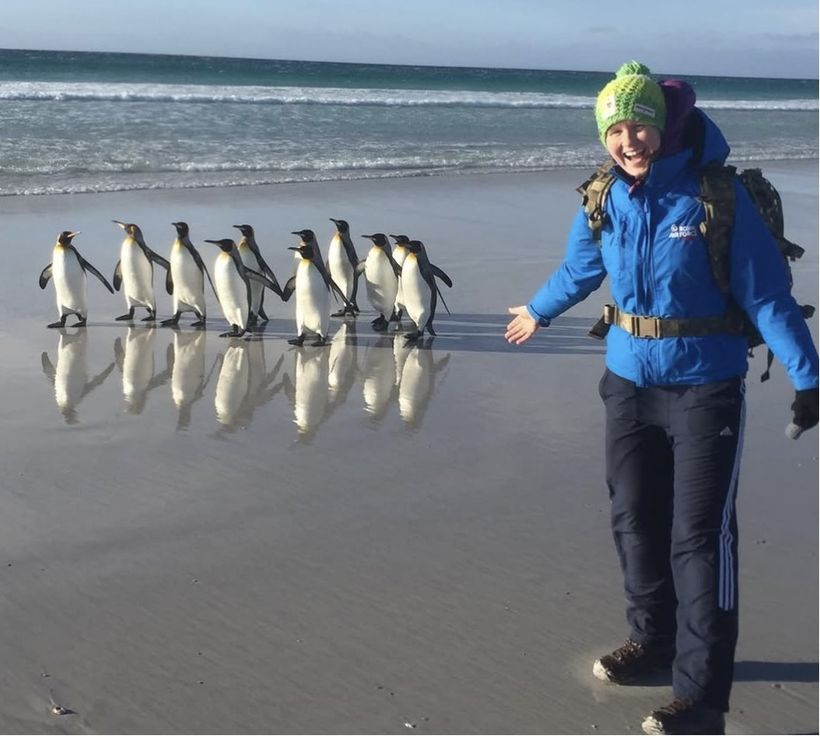
After her discharge, Beth turned to Help for Heroes for both emotional and practical support. She attended our Community Sports Series, which are taster sessions for adaptive sports, and reconnected with a part of her past she thought was gone.
“It was adapted cycling and wheelchair sports – stuff that felt fun and inclusive. My husband and I used to train together, so doing that again, even differently, really helped. And the evenings, chatting with other veterans and families, were a lifeline. We realised we weren’t alone.”
She also was supported by the Charity’s Hidden Wounds mental health team.
No one should have to fight for years just to be believed. Just to be supported. Just to get what they’re entitled to. That’s not how we should treat people who’ve served."
Former RAF nurse
Beth now campaigns for better cycling infrastructure and serves on her local community partnership board.
“I’m finally feeling grounded. We moved into what we hope is our forever home. I’ve invested in the local community, and that’s helped me build a new identity.”
But she says more needs to be done to understand the impact of long COVID – and to ensure service personnel are better supported when their careers are cut short.
“There’s this myth that if you get ill in the military, they’ll look after you. That wasn’t my experience. They said I was fine to work, when I couldn’t even drive safely. That’s not just wrong – it’s dangerous."
For Beth, sharing her story is about pushing for change.
“I’ve come to terms with where I’m at,” she said. “But no one should have to fight for years just to be believed. Just to be supported. Just to get what they’re entitled to. That’s not how we should treat people who’ve served.”
By making a donation today, you'll help us be there for veterans and their families - because no one should face recovery alone.
Our community Sports Series allows veterans to come together for a bit of friendly competition and allows them to try new sports.
Suitable for all abilities, our wide variety of competitive and recreational sports help you maintain an active, independent, and healthy life.
If you’re in pain, or if you feel anxious, stressed or lonely, we can help.
Our Patrons and Beneficiary Ambassadors represent the Charity and promote the work we do.