

World War II - Key Events, Causes, and Impact
Updated on
The key events which took place in the World War II, including the cause of the war and the impact it had worldwide.


Updated on
World War One was the first major global conflict, fought across several continents across land, air, and sea. The four-year war introduced new technology and changed the world in ways that still shape our lives today.
The First World War, also known as the Great War, began on 28 July, 1914.
Before World War I, the British and French empires were the world’s most powerful colonisers. Tensions were created amongst European countries when nations like Britain and France expanded their empires due to competition for territory. A divide was created amongst the empires, creating the Allied Powers (Britain and France) and Central Powers (Germany, Austria-Hungary and the Ottoman Empire).
The assassination of Archduke Franz Ferdinand, heir to the throne of Austria-Hungary, triggered a chain of events which ultimately caused the war.
At the time there was a nationalist movement led by Serbia, which aimed to detach South Slav people from Austro-Hungarian rule and create a unified South Slav kingdom, later Yugoslav.
A Serbian man named Gavrilo Princip shot the heir to the Austro-Hungarian throne on 28 June 1914 to achieve this goal. In response, Austria-Hungary gave Sebria an ultimatum and threatened to invade if they failed to meet its demands.
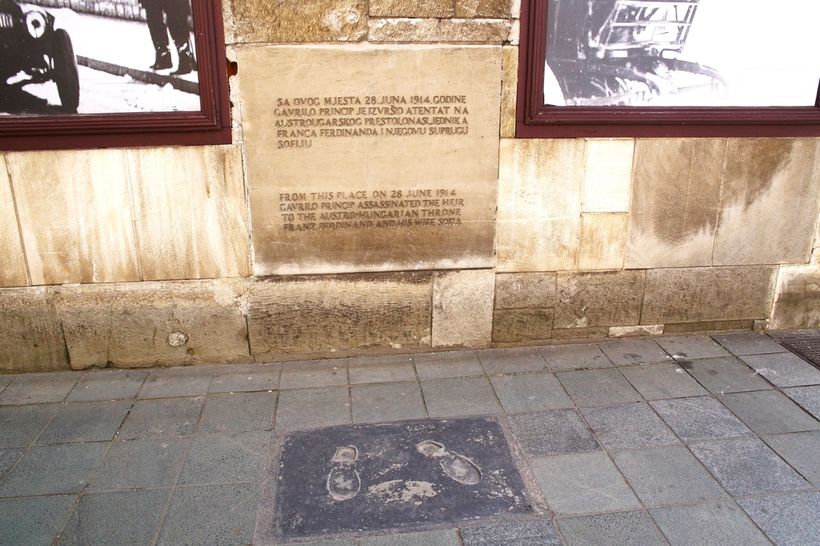
Serbia agreed to all but two of the demands, including the investigation of the murder. They wanted to investigate it themselves without interference from Austro-Hungarian representatives, but Austria-Hungary did not agree. One month after the death of their heir on 28 July 1914, Austria-Hungary declared war on Serbia.
Since many of the countries had alliances with one another, it meant that other countries also got involved leading to the scale of the outbreak of World War One.
Due to their alliance with Serbia, Russia got involved in the conflict. In turn, Germany then declared war on Russia, France and Belgium due to their alliance with Austria-Hungary.
Britain also got involved and declared war on Germany because of their agreements to protect both Belgium and France.
Two camps formed during the first world war. The Central Powers, which included Austria-Hungary and Germany, and the Allied Powers of France, Russia and Great Britain.
A series of events took place which formed the First World War. After declaring war on Russia, Germany demanded for Belgium to allow free passage for their troops on 2 August, which the Belgium government rejected. The next day, Germany declared war on France and invaded Belgium. This triggered Britain to declare war on Germany.
On 10 August, Austo-Hungarian forces invaded Russia.
9 September marked a pivotal day in the First World War as the Allied forces prevented Germany from advancing at the First Battle of the Marne. The British Expeditionary Force advanced into the gap between the Germany armies, forcing them to retreat.
This ended Germany’s Schlieffen Plan – their strategy to defeat France quickly by invading through Belgium, in the hope it would prevent them having to fight both France and Russia at the same time.
18 February 1915, Germany began their naval blockade of Britain, stating that enemy merchant ships would be sunk without warning.
On 19 February, the start of the Dardanelles Campaign began. British and French ships began bombarding the Ottoman forts at the entrance of the Dardanelles – a narrow strip of water in the North-West of Turkey. This naval attack eventually led to land invasions in April later that year.
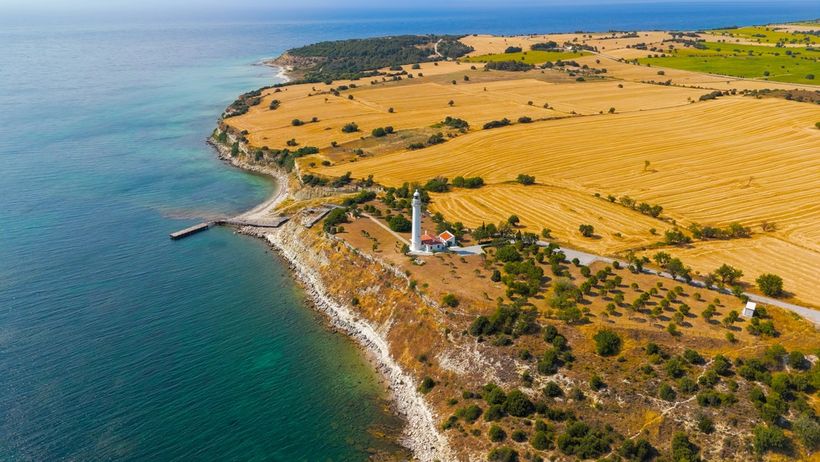
The Allied Forces wanted to pass through the Dardanelles, capture the Ottoman capital of Constantinople (now Istanbul), and knock the Ottoman Empire out of the war.
On 25 April, British, French and Indian troops, with the support from Australia and New Zealand, landed at various points on the Gallipoli peninsula – land mass bordering the northern side of the Dardanelles, which was controlled by Turkey. The campaign was unsuccessful and more than 200,000 people died.
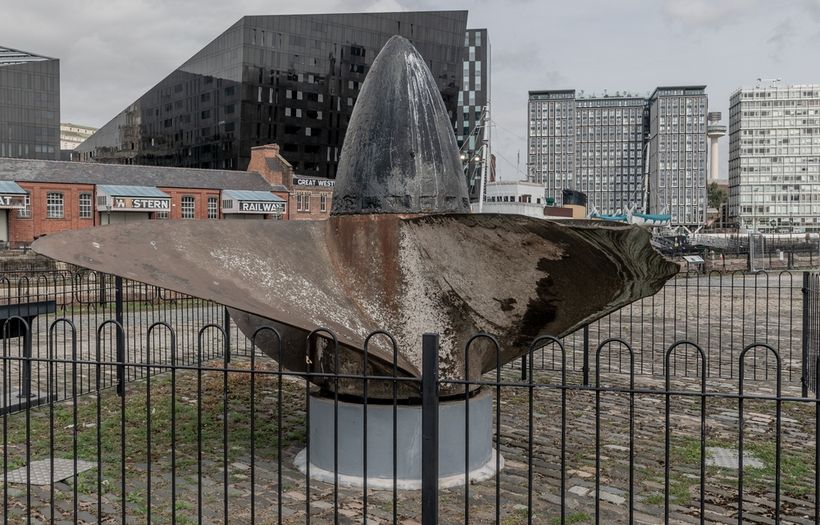
At the beginning of May 1915, a German submarine torpedoed and sank the Lusitania, a British cruise liner travelling from New York to Liverpool. This caused over 1,000 deaths, of which 128 were American.
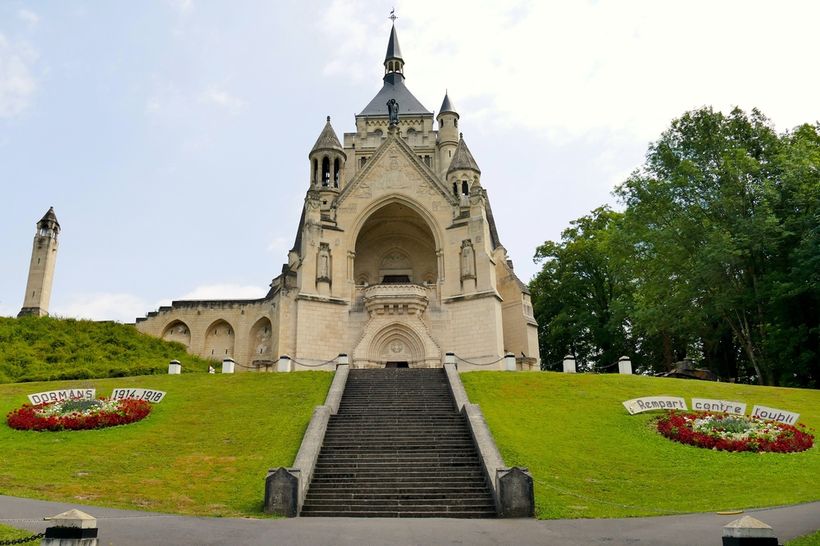
On 21 February 1916, the Battle of Verdun began. This was one of the longest battles of World War One and was between France and Germany. It lasted until 18 December 1916 and was responsible for an estimated 700,000 deaths in total.
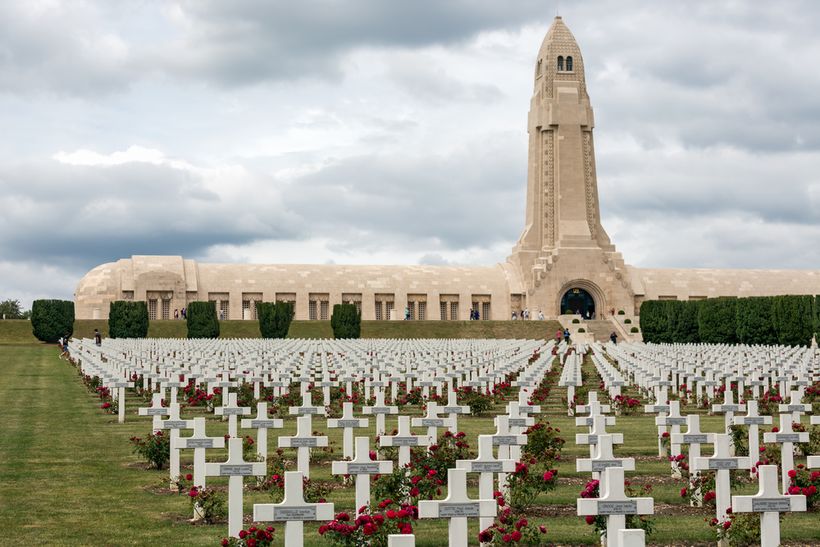
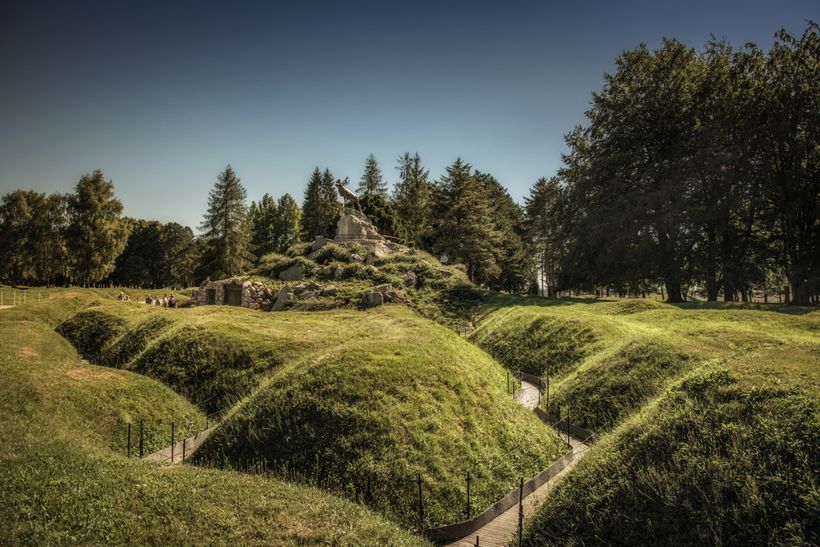
1 July marked the first day of the Battle of the Somme. In the British Army’s history, this day is the single bloodiest day with nearly 20,000 soldiers killed.
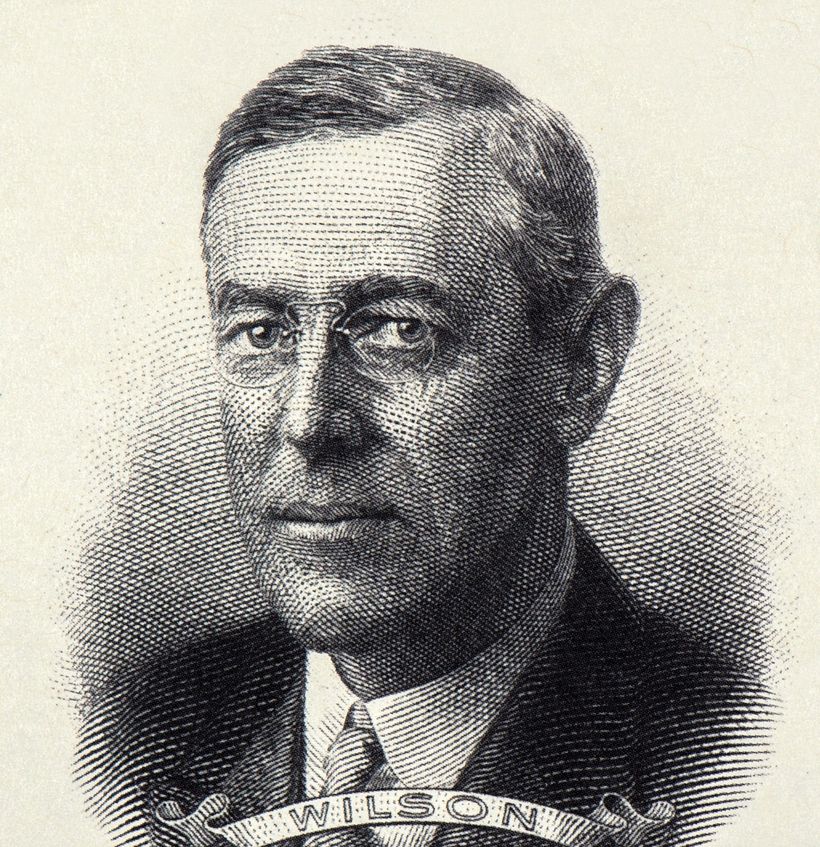
Until this time, the United States remained neutral in the war. However, this changed on 6 April 1917 when the president at the time – President Woodrow Wilson – declared war on Germany. This was in response to Germany’s submarine war on Britain, where they were sinking all sailing ships towards the UK, including passenger ships.
Following the Russian Revolution in 1917, the new Bolshevik government sought to end Russia’s involvement in World War I. After months of negotiation with Germany, the Treaty of Brest-Litovsk was signed on 3 March 1918, formally removing Russia from the conflict.
Russia’s withdrawal allowed Germany to move large numbers of troops from the Eastern Front to the Western Front, hoping to gain an advantage
Between the 26 September and 11 November, the battles of the Meuse-Argonne took place. These are the final battles which took place on the Western Front. By the end of October, the Argonne Forest was clear of German troops.
On 11 November, the armistice was signed between the Allied Powers and Germany, marking the end of World War I.
The formal treaty – the Treaty of Versailles – was signed on 28 June 1919, formally ending the war.
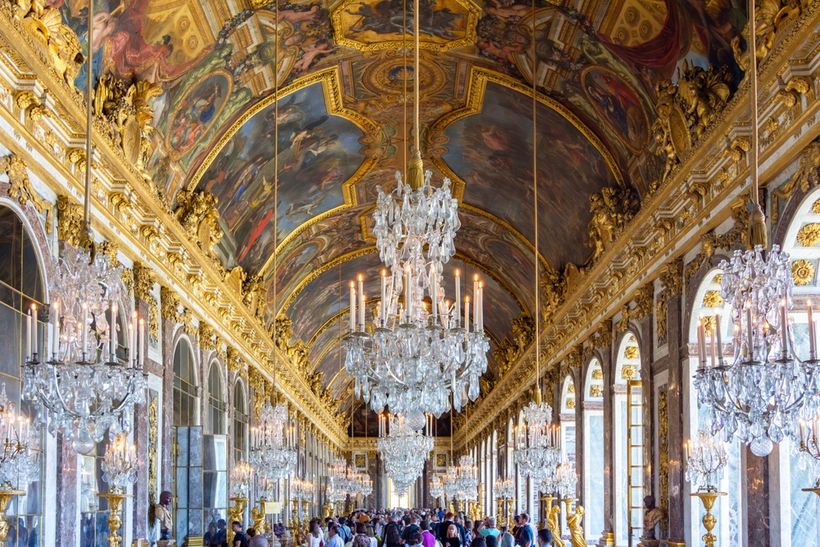
World War One spanned across four years, starting on 28 July 1914. Although the armistice that ended the fighting was on 11 November 1918, the official treaty wasn’t signed until 28 June 1919.
It is estimated that there were over 8,500,000 deaths across both the Allied and Central Powers in World War I. However, due to inconsistent recording methods between countries, it is difficult to give an accurate number.
Approximately, 880,000 of these deaths were members of the British forces. Over 57,000 of these deaths took place during one day of the war on 1 July 1916, during the Battle of the Somme.
By the autumn of 1919, the German armies and their allies were exhausted. Revolutions in Germany also started from civilians following the news of their military being defeated. This led Germany into signing the armistice, an agreement to stop the fighting on the Western Front.
We help veterans, their relatives, serving personnel, reservists, and people who worked under UK command to make a success of life in the civilian world. If you need support, please get in touch with us.
We also host free activities and events across the UK so you can spend time with other veterans and find activities to enjoy in your community
To get support, all you need to do is submit an online form or call our friendly helpline team on 0300 303 9888.
Updated on
The key events which took place in the World War II, including the cause of the war and the impact it had worldwide.
Updated on
Recent research we have carried out shows that there is a big knowledge gap among the Great British public around the details of the Falklands War.
Updated on
Here's everything you need to know about Victory over Japan Day, also known as VJ Day.